Emotional Loyalty Measurement: Prove the Booking Premium
Emotional loyalty has no demonstrated value until preference changes bookings. Test price tolerance, direct-channel shift, repeat stays, incremental contribution.
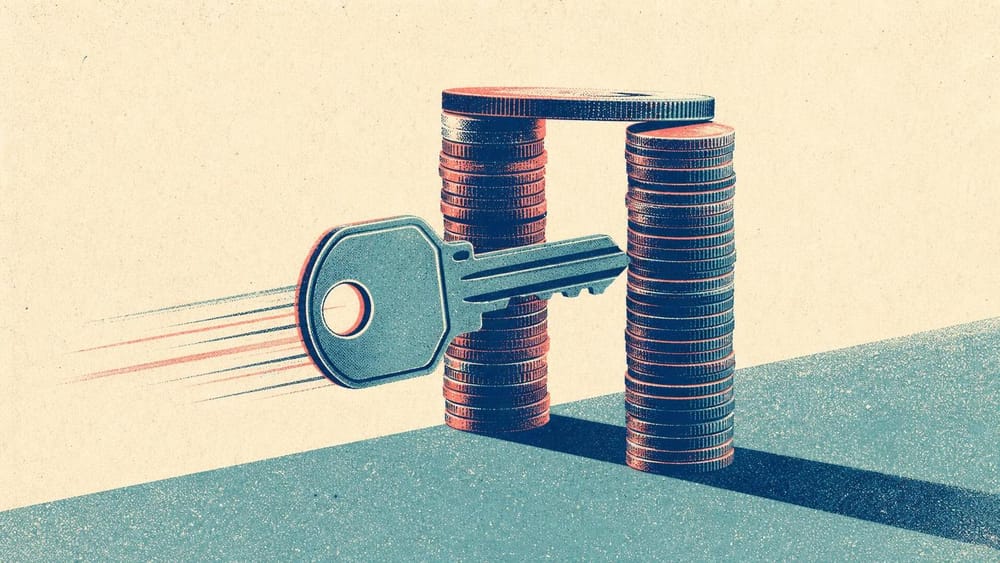
The short version: Emotional loyalty measurement starts with observed choice, not stated affection. Affinity has demonstrated economic value only when guests book direct, return, accept modest friction, or require less discounting.
Key takeaways
- Set the price-gap test band from your own rate and booking data, not from a universal loyalty threshold.
- Compare equivalent properties, dates, room terms, markets, and customer histories.
- Size holdouts from baseline conversion and the smallest lift worth funding; use 10% only as a planning default.
- Approve spending when incremental contribution covers rewards, discounts, media, benefits, and model costs inside the required payback window.
Emotional loyalty measurement starts with real choice
Awareness, affection, and logo recognition are not emotional loyalty. The operating definition is narrower: preference that changes a purchase when a credible alternative exists.

Test that preference across price-gap bands such as 0–2%, 2–5%, 5–10%, and above 10%. These are diagnostic bands, not claims that every loyal guest should tolerate a 10% premium. Calibrate them by market, trip type, property class, and contribution margin.
A credible comparison requires the same destination area, stay dates, room capacity, cancellation terms, quality band, and major amenities. A downtown full-service hotel priced against an airport select-service property does not reveal loyalty. It reveals a different product.
Measure conversion and contribution margin within each band. Loyal customers should show a slower conversion decline as the price gap widens, while still producing acceptable margin after member rates and benefits. A premium that disappears after an 8% discount is not a premium.
The classic failure: declaring victory because highly engaged members book more. Frequent travelers both consume more content and book more rooms, creating correlation without proof. Match exposed and comparison guests on market, prior 12-month stays, member tenure, acquisition channel, average rate, and trip type; randomize when possible.
Convert affinity into repeat behavior
Each brand or program investment needs one behavioral job. Recognition should raise direct-booking share. Status should consolidate stays. Destination content should produce qualified property consideration and bookings within a test window based on the normal booking cycle.

Use 30–90 days as an initial content-attribution hypothesis only when most bookings occur inside that range. Inspect the actual lag from exposure to booking, then set the window before reading results. Long-haul leisure may require 120 days; short urban stays may resolve within 14.
Build cohorts by join month, acquisition source, market, and prior stay frequency. Compare direct share, stays per year, nights, portfolio breadth, second-stay rate, and 12-month retention. A shift from one annual stay to two matters; another email open does not.
Share of wallet is often partly hidden. Use stable proxies: declared travel frequency, permissioned card-linked records, corporate booking data, or annual stay growth among customers whose travel patterns remain comparable. State the coverage gap instead of turning an incomplete proxy into a precise claim.
The miss to watch for is enrollment masquerading as conversion. One million registrations acquired through Wi-Fi access or a one-time member rate may produce no incremental stays. Track second-stay completion within one normal repurchase cycle, and read that cycle from your own booking history rather than a category default.
Test personalization with powered holdouts
AI cannot manufacture affection. It can choose a relevant property, predict timing, suppress an inappropriate message, or reduce the incentive required for a booking. Judge those jobs using bookings and contribution, not clicks.

Randomize at the lowest unit that prevents contamination. Use customer-level assignment for email and app personalization. Use market or property assignment when staff, pricing, or shared inventory would expose control customers to the treatment.
Set the minimum detectable lift before launch. Start with baseline conversion, then choose the smallest improvement whose incremental contribution would justify implementation. A 10% holdout is a practical planning default for a large eligible audience, not a statistical rule; power calculations may require 20%, 50%, or an even split.
As a screening rule, fewer than roughly 200 completed bookings per arm usually supports directional learning, not a narrow commercial claim. The required sample rises when baseline conversion is low or the target lift is small. Run the test longer rather than changing allocation after seeing early results.
Track incremental bookings, direct-channel shift, contribution after rewards, unsubscribe rate, and repeat behavior. Keep eligibility, assignment, channel pressure, and observation windows fixed. Exclude neither weak responders nor expensive redemptions after randomization.
The first trap: scaling a model after click-through rises 8% while bookings remain flat. Novelty can move clicks without moving demand. Service failures create a second trap: automated getaway copy sent after an unresolved billing dispute destroys trust; define the suppression logic described in Lifecycle Suppression Rules before adding recommendation models.
Fund only the incremental emotional loyalty premium
The scorecard needs one governing equation: incremental contribution minus rewards, benefits, discounts, media, servicing, and model cost. Divide that net value by total program investment for ROI, or compare cumulative net value with investment to find the payback month.

Set the decision threshold before the test. Example: approve expansion only when the lower plausible estimate remains positive and expected payback fits the payback window the company sets from its own cash constraints and purchase frequency.
Report five supporting measures beside the equation: repeat rate, direct-channel shift, price-gap conversion, reward cost per incremental booking, and cohort value. Direct distribution savings count only after member discounts, payment costs, benefits, and displacement are deducted.
Where randomization is impossible, match customers on pre-period behavior and compare the change from before to after against the matched group. Use the same markets and calendar periods to reduce seasonality. Discard matches with materially different prior stay frequency or average rate rather than forcing every customer into the analysis.
The counterexample is a campaign credited with every booking made by exposed members. Existing loyal guests would have produced many of those stays anyway. Incrementality removes that free credit; NPS vs Repeat Rate explains why stated advocacy remains diagnostic evidence, not the commercial result.
Further reading: www.marketingdive.com
Frequently asked questions
What price premium proves emotional loyalty?
No universal premium does. Test locally relevant bands, compare genuinely equivalent alternatives, then require positive contribution after discounts and benefits. A 5–10% band is a useful diagnostic starting point, not a pass mark.
How large should the control group be?
Size it from baseline conversion and the minimum lift worth funding. Use 10% only for initial planning when traffic is high; smaller programs may need a 50/50 split. Fewer than about 200 completed bookings per arm should usually be treated as directional.
How long should the test run?
Cover at least one normal purchase cycle plus the outcome window. That may mean 30–90 days for booking conversion, 6–12 months for annual repeat behavior, or less for frequent business travelers. Do not stop when early results look favorable.